

How to compare different brands of led spotlights?
Oct 26, 2026
Leave a message
Comparing different brands of LED spotlights can be quite a task, but it doesn't have to be. As a supplier in the LED spotlight industry, I've seen firsthand the differences between various brands and products. In this blog post, I'll share some tips on how to compare different brands of LED spotlights and make an informed decision.
1. Light Output and Brightness
The first thing to consider when comparing LED spotlights is the light output, usually measured in lumens. A higher lumen count means the spotlight is brighter. For example, a spotlight used in a large display area will need a higher lumen output than one for a small accent lighting.
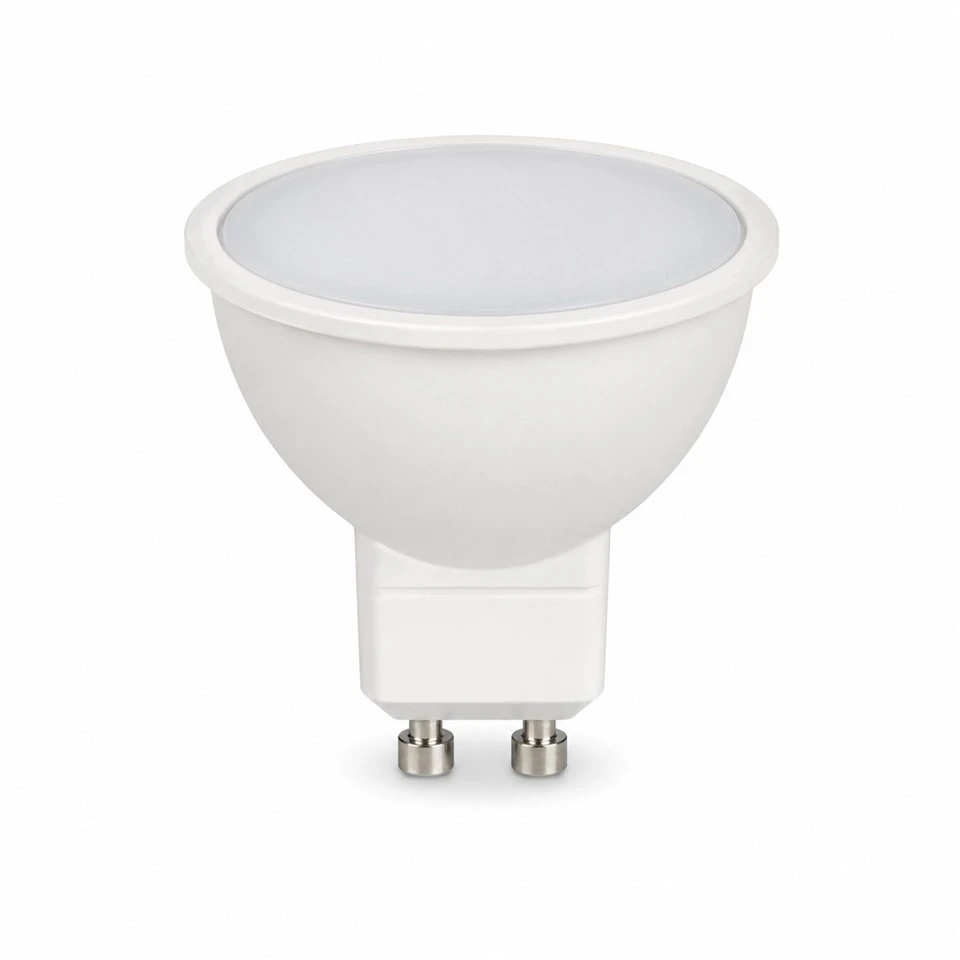
Some brands may claim high lumen values but don't deliver in real - world use. That's why it's important to check independent reviews or look for products with recognized certifications. For instance, our 6W GU10 LED Spotlight offers a consistent and high lumen output, making it great for both residential and commercial lighting.
2. Color Temperature
Color temperature is another crucial factor. It's measured in Kelvin (K) and determines the color of the light. Lower color temperatures (around 2700K - 3000K) produce a warm, yellow - like light, similar to traditional incandescent bulbs. This type of light is great for creating a cozy and inviting atmosphere, such as in living rooms or restaurants.
On the other hand, higher color temperatures (around 5000K - 6500K) give off a cool, white light, which is ideal for task lighting in kitchens, offices, or display areas where clear visibility is needed. When comparing brands, look at the product specifications to see if they offer a range of color temperatures. Our Round LED Spot Light comes in multiple color temperatures, allowing you to choose the one that suits your needs.
3. Color Rendering Index (CRI)
The Color Rendering Index, or CRI, measures how accurately a light source can reproduce the colors of objects compared to natural light. A CRI of 100 means the light source can perfectly reproduce all colors.
For applications where color accuracy is important, like art galleries, jewelry stores, or makeup studios, you'll want a spotlight with a high CRI. Brands that prioritize quality usually have spotlights with a CRI of 90 or above. Our PAR30 LED Spotlight has a high CRI, ensuring that the colors of objects under the light look vivid and true - to - life.
4. Energy Efficiency
LED spotlights are already known for their energy - saving capabilities compared to traditional lighting sources. However, different brands can still vary in terms of energy efficiency. Look for the energy efficiency rating of the spotlight, which is often expressed as a percentage or in terms of wattage per lumen.
A more energy - efficient spotlight will consume less electricity while providing the same or better light output. This not only saves you money on your energy bills but also has a lower environmental impact. Our 5W GU10 LED Spotlight is designed to be highly energy - efficient, giving you bright light with minimal power consumption.
5. Beam Angle
The beam angle determines the spread of light from the spotlight. A narrow beam angle (e.g., 15 - 30 degrees) is great for highlighting specific objects or creating a focused effect, like spotlighting a piece of art or a display item. A wider beam angle (e.g., 60 - 120 degrees) can be used for general area lighting.
When comparing brands, check the beam angle specifications. Some brands may offer adjustable beam angles, which gives you more flexibility. Our Plug and Play Spotlights come in a range of beam angles, allowing you to customize the lighting according to your needs.
6. Lifespan
The lifespan of an LED spotlight is an important consideration, as it affects long - term costs and maintenance. LED spotlights generally have a longer lifespan than traditional bulbs, but the actual lifespan can vary between brands.
Look for spotlights with a long - rated lifespan, usually measured in hours. Some high - quality brands offer spotlights with a lifespan of 25,000 hours or more. This means you won't have to replace the bulbs as frequently, saving you time and money on replacements.
7. Price
Price is always a factor when making a purchase. However, it's important not to just go for the cheapest option. A lower - priced spotlight may not offer the same quality, performance, or lifespan as a more expensive one.
Compare the features and specifications of different brands at different price points. Look for a balance between cost and quality. Sometimes, spending a little more upfront can save you money in the long run due to better energy efficiency and longer lifespan.
8. Brand Reputation and Warranty
A brand's reputation can tell you a lot about the quality of their products. Look for brands that have been in the industry for a while and have positive customer reviews. You can check online review platforms or ask for recommendations from other businesses or consumers.
Also, pay attention to the warranty offered by the brand. A good warranty shows that the manufacturer stands behind their product. It gives you peace of mind knowing that if something goes wrong with the spotlight, you'll be covered.
In conclusion, comparing different brands of LED spotlights involves looking at multiple factors such as light output, color temperature, CRI, energy efficiency, beam angle, lifespan, price, and brand reputation. By considering these aspects carefully, you can choose the best LED spotlights for your needs.
If you're interested in any of our LED spotlights or have questions about our products, feel free to reach out for a purchase discussion. We're here to help you find the perfect lighting solutions for your projects.
References
- General knowledge about LED lighting from industry experience.
- Product specifications and research on LED spotlights.