

How to use PAR30 LED Spotlights in a photography studio?
Jul 29, 2026
Leave a message
Hey there, fellow photography enthusiasts! I'm a supplier of PAR30 LED Spotlights, and today I'm stoked to share with you how to use these bad boys in a photography studio. Whether you're a seasoned pro or just starting out, PAR30 LED Spotlights can be a game-changer for your photography setup.
Understanding PAR30 LED Spotlights
First things first, let's talk a bit about what PAR30 LED Spotlights are. PAR stands for Parabolic Aluminized Reflector, and the 30 refers to the diameter of the lamp in eighths of an inch. So, a PAR30 spotlight is about 3.75 inches in diameter. These spotlights are known for their focused beam of light, which makes them perfect for highlighting specific areas in a photography studio.
One of the biggest advantages of using PAR30 LED Spotlights is their energy efficiency. LED lights use significantly less energy than traditional incandescent or halogen bulbs, which means you'll save money on your electricity bill in the long run. Plus, they last a lot longer, so you won't have to replace them as often.
Another great thing about PAR30 LED Spotlights is their color rendering index (CRI). A high CRI means that the light accurately reproduces colors, which is crucial for photography. With a PAR30 LED Spotlight, you can be sure that your subjects will look their best, with vibrant and true-to-life colors.
Setting Up Your PAR30 LED Spotlights
Now that you know a bit about PAR30 LED Spotlights, let's talk about how to set them up in your photography studio. The first step is to determine the placement of your spotlights. You'll want to position them in a way that creates the desired lighting effect for your photos.
One common setup is to use three spotlights: a key light, a fill light, and a backlight. The key light is the main light source that illuminates the subject. It's usually placed at a 45-degree angle to the subject, slightly above eye level. The fill light is used to fill in the shadows created by the key light. It's typically placed on the opposite side of the subject, at a lower angle. The backlight is used to separate the subject from the background and add depth to the photo. It's placed behind the subject, at a high angle.
Once you've determined the placement of your spotlights, you'll need to mount them. You can use a variety of mounting options, such as light stands, ceiling mounts, or wall mounts. Make sure the mounts are secure and stable, so the spotlights don't fall or move during a shoot.
After mounting the spotlights, you'll need to connect them to a power source. Most PAR30 LED Spotlights come with a plug, so you can simply plug them into an outlet. However, if you're using multiple spotlights, you may need to use a power strip or a dimmer switch to control the brightness.
Controlling the Light
One of the great things about PAR30 LED Spotlights is that they're easy to control. You can adjust the brightness, color temperature, and beam angle to create the perfect lighting effect for your photos.
To adjust the brightness, you can use a dimmer switch. This allows you to control the amount of light that the spotlight emits, which is useful for creating different moods and effects. You can also use a light meter to measure the intensity of the light and ensure that it's consistent throughout the studio.
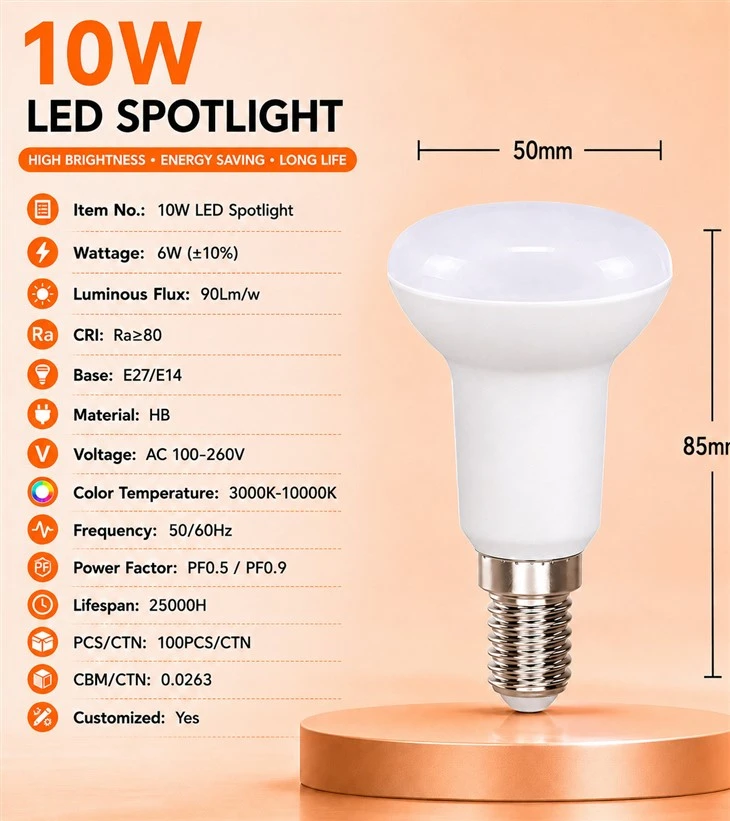
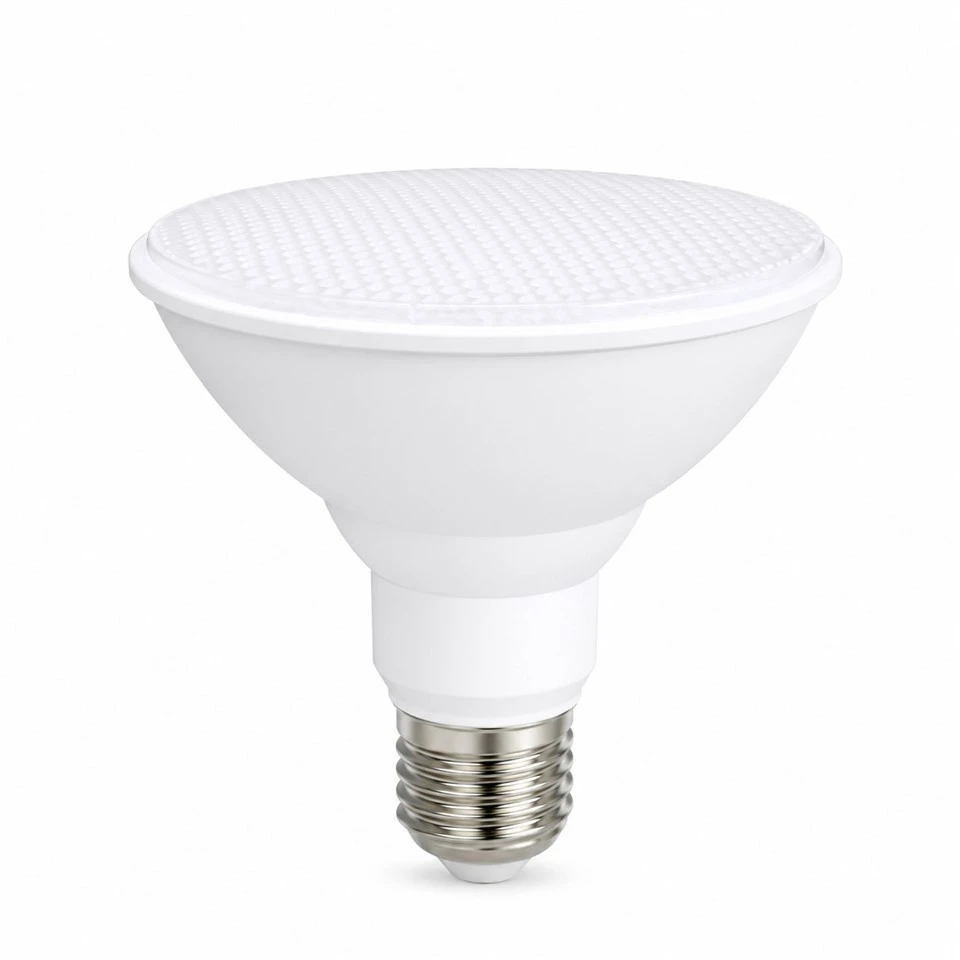
The color temperature of the light is also important. Different color temperatures can create different moods and effects in your photos. For example, a warm color temperature (around 3000K) can create a cozy and inviting atmosphere, while a cool color temperature (around 5000K) can create a more clinical and professional look. You can adjust the color temperature of your PAR30 LED Spotlights by using a color filter or a color temperature controller.
The beam angle of the spotlight determines how wide or narrow the beam of light is. A narrow beam angle (around 15 degrees) is ideal for highlighting a specific area or object, while a wide beam angle (around 60 degrees) is better for illuminating a larger area. You can adjust the beam angle of your PAR30 LED Spotlights by using a reflector or a diffuser.
Using PAR30 LED Spotlights for Different Types of Photography
PAR30 LED Spotlights can be used for a variety of different types of photography, including portrait, product, and still life photography.
In portrait photography, PAR30 LED Spotlights can be used to create a flattering and professional look. You can use the key light to illuminate the subject's face, the fill light to fill in the shadows, and the backlight to add depth and separation. You can also use a diffuser to soften the light and create a more natural look.
In product photography, PAR30 LED Spotlights can be used to highlight the features and details of the product. You can use the key light to illuminate the front of the product, the fill light to fill in the shadows, and the backlight to add depth and dimension. You can also use a reflector to bounce the light onto the product and create a more even lighting effect.
In still life photography, PAR30 LED Spotlights can be used to create a dramatic and artistic look. You can use the key light to illuminate the main subject, the fill light to fill in the shadows, and the backlight to add depth and separation. You can also use a diffuser to soften the light and create a more natural look.
Other Types of LED Spotlights to Consider
While PAR30 LED Spotlights are a great choice for a photography studio, there are other types of LED spotlights that you may want to consider as well. For example, Plug in Spotlight are easy to install and can be used in a variety of different settings. 6W GU10 LED Spotlight are small and compact, making them ideal for use in tight spaces. Spot Light Round and Round LED Spot Light are great for creating a soft and diffused lighting effect.
Conclusion
In conclusion, PAR30 LED Spotlights are a versatile and powerful tool for any photography studio. They're energy efficient, long-lasting, and easy to control, making them a great choice for both professional and amateur photographers. By following the tips and techniques outlined in this blog post, you can use PAR30 LED Spotlights to create stunning and professional-looking photos.
If you're interested in purchasing PAR30 LED Spotlights or any other types of LED spotlights, please don't hesitate to contact us. We'd be happy to help you find the right products for your needs and budget.
References
- "Photography Lighting Basics," Photography Life
- "LED Lighting for Photography Studios," LED Lighting Info
- "How to Use Spotlights in Photography," Digital Photography School