

What is the power consumption of an led color bulb?
Sep 21, 2026
Leave a message
Hey there, folks! As a supplier of LED color bulbs, I get asked a lot about the power consumption of these nifty little lighting solutions. So, I thought I'd take a few minutes to break it all down for you.
Understanding the Basics of LED Power Consumption
First off, let's talk about what power consumption really means. In simple terms, it's the amount of electrical energy a device uses over a given period of time. It's usually measured in watts (W). The lower the wattage, the less energy the device consumes, which means lower electricity bills and a smaller carbon footprint.
LEDs, or light-emitting diodes, are known for being super energy-efficient compared to traditional incandescent bulbs. Incandescent bulbs work by heating a filament until it glows, which wastes a lot of energy as heat. On the other hand, LEDs produce light through a process called electroluminescence, which is much more efficient.
Factors Affecting the Power Consumption of LED Color Bulbs
Now, the power consumption of an LED color bulb can vary depending on a few different factors.
Color
The color of the LED bulb can have an impact on its power consumption. Different colors are produced by different combinations of semiconductors, and some colors require more energy to generate than others. For example, blue LEDs generally consume more power than red or green LEDs. If you're looking for a lower-power option, you might want to consider Red Mini LED Lights or Soft Yellow LED Lights.
Brightness
Another major factor is the brightness of the bulb, which is measured in lumens (lm). The higher the lumen output, the brighter the light, and usually, the more power the bulb will consume. If you don't need a super bright light, choosing a bulb with a lower lumen rating can help reduce power consumption. For example, a 600-lumen LED bulb will use less power than a 1000-lumen one.
Quality of the LED
The quality of the LED components and the overall design of the bulb also play a role. Higher-quality LEDs are often more efficient and can produce the same amount of light with less power. When you're buying LED color bulbs, it's worth investing in a good brand to ensure you're getting the most energy-efficient product.
Typical Power Consumption of Different LED Color Bulbs
Let's take a look at some typical power consumption values for different types of LED color bulbs.
Red LED Color Bulbs
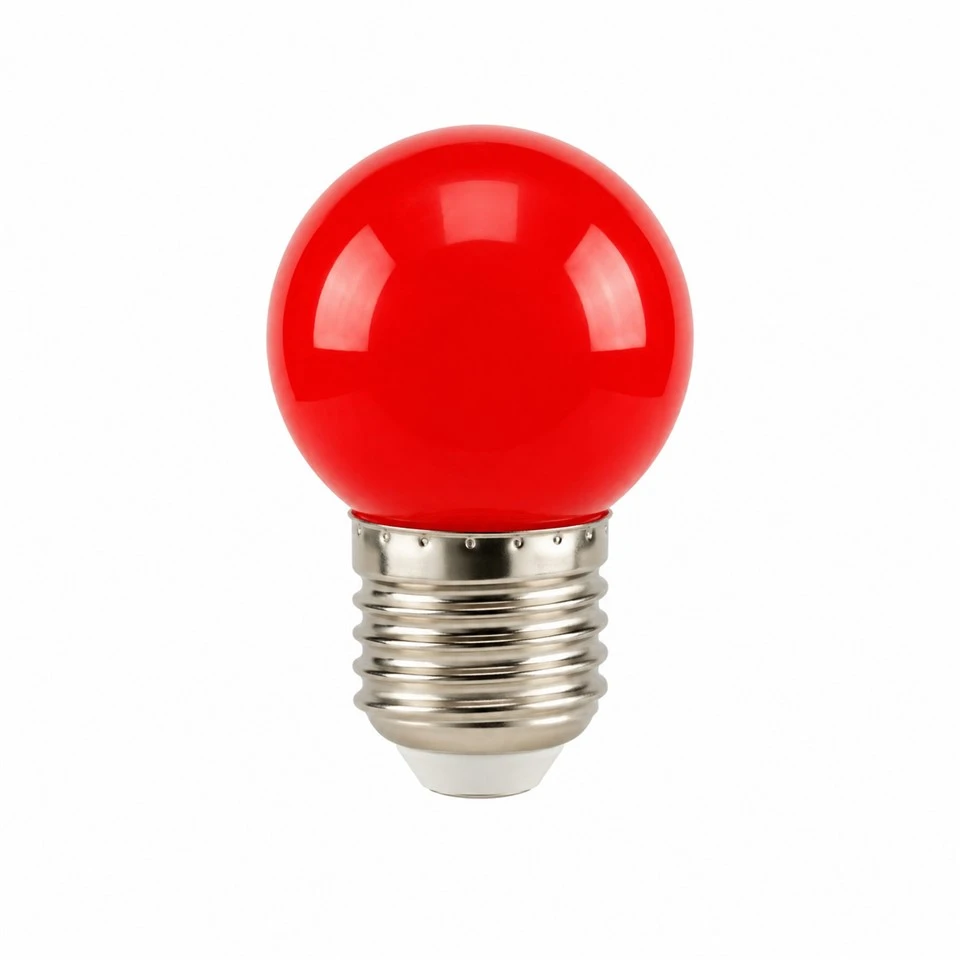
Red LED color bulbs are generally quite efficient. A small Red Mini LED Lights might consume as little as 1 - 2 watts, while a standard Red LED Lightbulb with a bright output could use around 5 - 8 watts.
Blue LED Color Bulbs
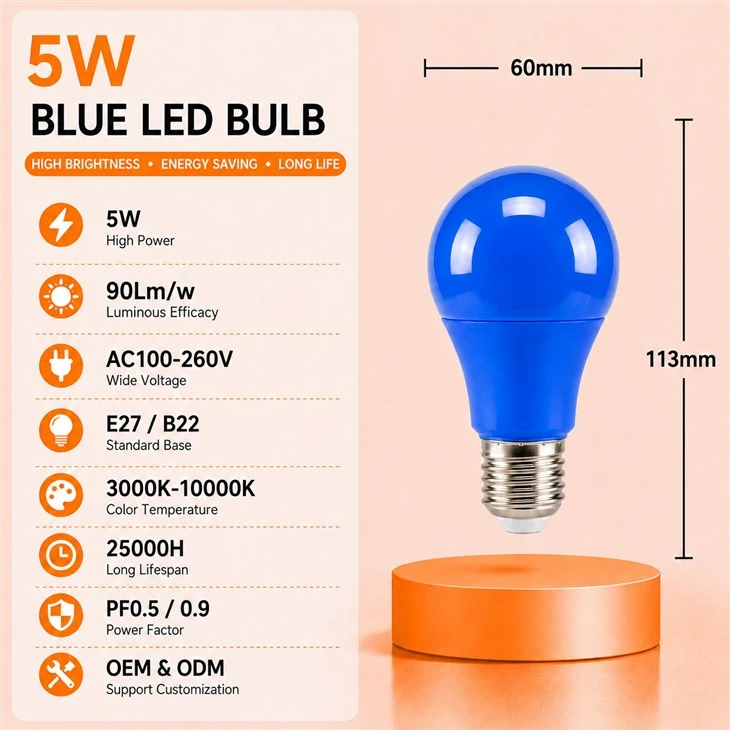
As I mentioned earlier, blue LEDs tend to consume more power. A Blue Mini LED Lights might use around 2 - 3 watts, while a Blue LED Lightbulb could consume 7 - 10 watts or more, depending on its brightness.
Soft Yellow LED Color Bulbs
Soft yellow LEDs are also relatively energy-efficient. A Soft Yellow LED Lights might use 2 - 4 watts, making them a great choice for creating a warm and cozy atmosphere without using too much power.
Calculating the Cost of Running LED Color Bulbs
Once you know the power consumption of your LED color bulbs, you can easily calculate how much it will cost to run them. Here's a simple formula:
Cost = (Power (watts) × Hours of use) ÷ 1000 × Cost per kilowatt-hour (kWh)
Let's say you have a 5-watt red LED bulb and you use it for 5 hours a day. If your electricity cost is $0.15 per kWh, the calculation would be:
Cost = (5 × 5) ÷ 1000 × 0.15 = $0.00375 per day
Over a month (30 days), that would be $0.00375 × 30 = $0.1125. As you can see, the cost of running LED color bulbs is quite low compared to other types of lighting.
Benefits of Low Power Consumption
The low power consumption of LED color bulbs offers several benefits.
Cost Savings
As we just saw, using LED color bulbs can significantly reduce your electricity bills. Over time, these savings can really add up, especially if you have multiple bulbs in your home or business.
Environmental Friendliness
Since LED bulbs use less energy, they produce fewer greenhouse gas emissions. By choosing LED lighting, you're doing your part to protect the environment and reduce your carbon footprint.
Long Lifespan
LED bulbs also have a much longer lifespan than traditional bulbs. This means you'll have to replace them less often, which not only saves you money but also reduces waste.
Why Choose Our LED Color Bulbs
As a supplier of LED color bulbs, we take pride in offering high-quality products that are both energy-efficient and affordable. Our bulbs are designed to provide the perfect balance of brightness, color, and power consumption. Whether you're looking for a soft yellow glow for your bedroom or a vibrant red light for a party, we've got you covered.
We use only the best LED components and advanced manufacturing techniques to ensure that our bulbs are reliable and long-lasting. And our team of experts is always available to answer any questions you might have and help you choose the right bulbs for your needs.
Contact Us for More Information and Purchasing
If you're interested in learning more about our LED color bulbs or placing an order, don't hesitate to get in touch. We're here to help you find the perfect lighting solutions for your home or business. Whether you're a homeowner looking to add some color to your living space or a business owner in need of energy-efficient lighting, we've got the products and expertise to meet your needs.
Let's work together to create a brighter, more energy-efficient world with our high-quality LED color bulbs.
References
- "LED Lighting Basics." U.S. Department of Energy.
- "Understanding LED Lighting Efficiency." Lighting Research Center.